
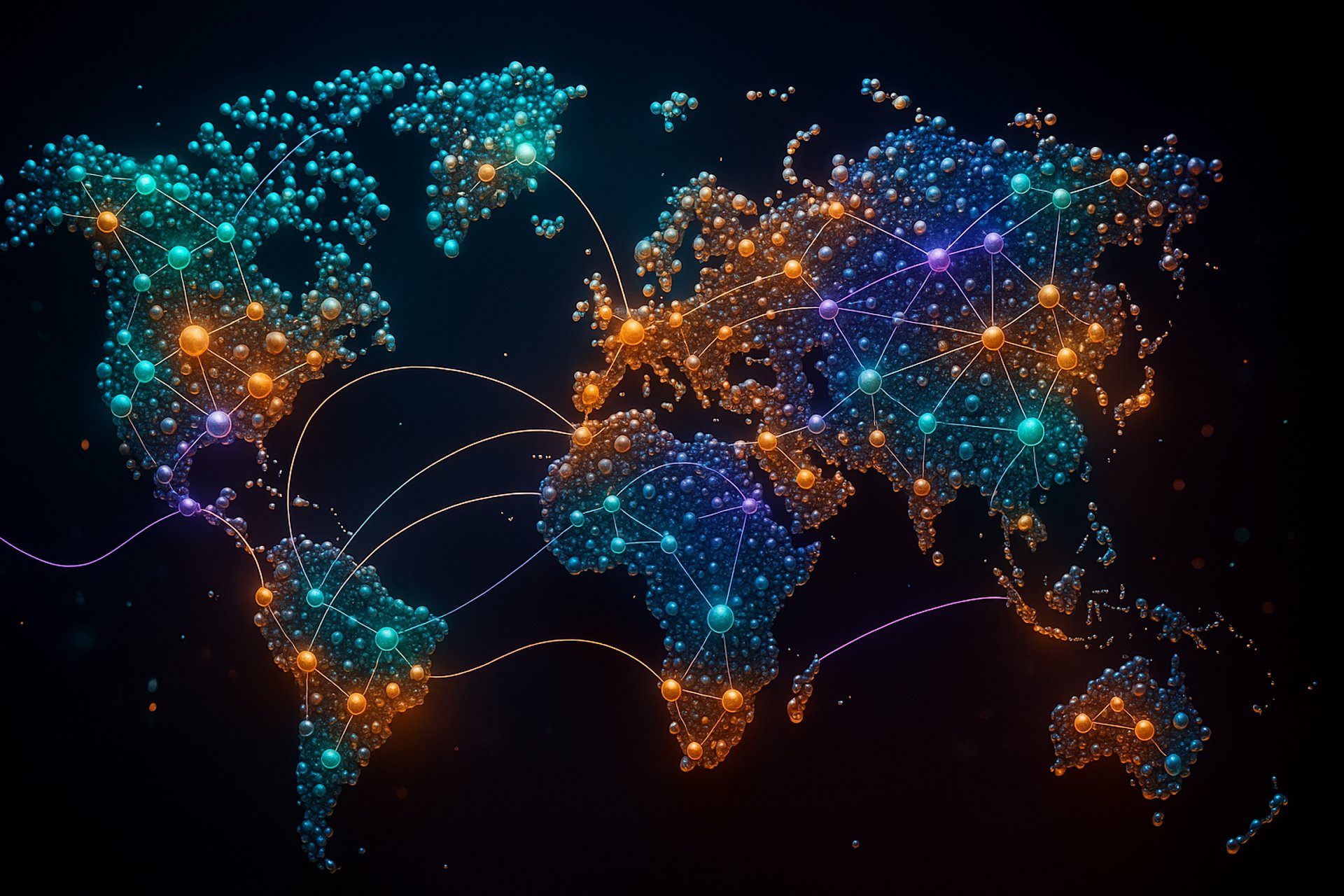
AI- Driven Drug Discovery Workflow
From molecular data to clinical insights, our intelligent ecosystem integrates Graph Neural Networks, Large Language Models, and Zero Trust Architecture to accelerate discovery and repurposing.
Workflow Stages
Data Integration


All biological, genomic, and clinical datasets are securely aggregated using Zero Trust Architecture, ensuring traceability, accuracy, and compliance.



Target Identification-DTPredAI
Predicts potential drug–target interactions using deep learning models trained on large-scale structural data.
Generates accurate 3D protein models using AlphaFold 2 and OmegaFold, enhancing docking precision.
Protein Structure Prediction-ProteinPred
Drug Similarity Analysis - DrugSimAI


Compares molecular structures and pharmacological profiles to identify promising candidates for further testing.
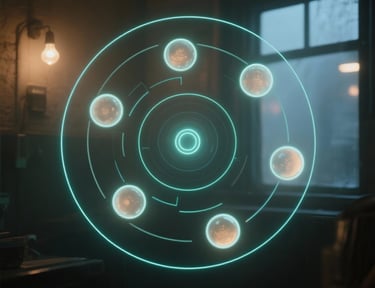


Drug Repurposing - ReviveAI
Harnesses GNNs and LLMs to predict new indications for existing compounds, minimising time and risk.
Continuous AI learning loop integrates experimental feedback, ensuring better prediction accuracy with each iteration.
Validation & Optimization
Molecular Docking- DockAI
Simulates ligand–protein binding through AI-accelerated docking, dynamic protein flexibility, and energy optimization.
Our Technology Edge
Our system integrates deep learning, bioinformatics, and data science into one cohesive model.
Graph Neural Networks map complex drug–disease relationships.
Large Language Models extract biomedical insights from vast literature.
Zero Trust Architecture ensures secure and compliant data workflows.


Efficiency. Accuracy. Scalability.
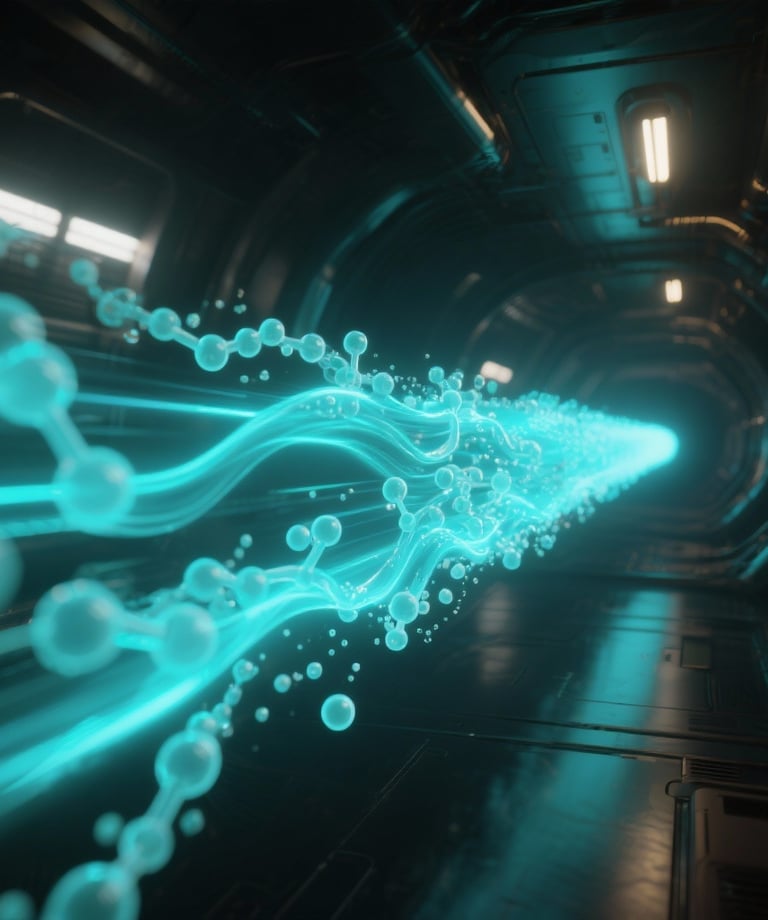
Speed
Reduce discovery time by 90%
Workflow Benefits


Precision
Data-driven predictions validated across multiple datasets
Adaptability
Scalable for pharma, biotech, and research institutions
See Our Workflow in Action
Experience the power of AI in drug discovery, an interactive visualization showing data flowing through each stage, from molecule to market.

Frequently asked questions
Q1. How is Ultraceuticals’ AI workflow different from traditional drug discovery?
Traditional discovery can take over a decade, involving manual screening and experimental bottlenecks.
Ultraceuticals replaces this with an AI-powered workflow that integrates predictive modelling, data automation, and multi-modal validation, cutting timelines from years to months while enhancing accuracy.
Q2. How do you ensure data privacy and security?
Our platforms are built on Zero Trust Architecture (ZTA), meaning no data is trusted by default.
Every access, transfer, and process is verified, encrypted, and monitored through multi-layered authentication, ensuring end-to-end compliance and integrity.
Q3. Can your workflow handle multiple therapeutic domains simultaneously?
Absolutely.
Our hybrid AI framework is adaptable to oncology, metabolic, neurological, and rare disease pipelines.
Each dataset trains specific AI modules while maintaining cross-domain learning efficiency.
Q4. Are Ultraceuticals’ AI models validated with real-world data?
Yes.
We continuously validate our models using both preclinical data and live feedback from research and industry partners.
This ensures predictions remain robust, reproducible, and clinically relevant.
Q5. Can external partners or research institutions access your workflow?
Yes, We offer collaborative access to our DiscoveraAI and ReviveAI platforms for CROs, biotech startups, and academic research labs.
Partners can leverage our infrastructure through SaaS licensing, R&D collaboration, or co-validation programs.
Q6. What kind of results can clients expect from adopting this workflow?
Clients typically experience up to 90% faster discovery, reduced computational costs, and improved predictive accuracy in identifying drug-target interactions and new indications, helping bring innovations to market faster and more securely.
Let’s Build The Next Breakthrough Together


Join us in advancing AI-led biotechnology and reshaping the global healthcare landscape.

Contacts
info@ultraceuticals.in
Socials
Subscribe to our newsletter
+91-9168817749
© 2024. All rights reserved. Created by Digital Ishtihaar